


Building the America We Want
The America I Want initiative moves civics beyond the classroom, grounding it in direct student engagement and community interaction. At its core, the program centers on students talking with one another and with members of their communities about a fundamental civic question: What kind of America do they want to live in—and help shape?
Through a dedicated digital platform, students share their perspectives by school, state, region, and other demographics, while also examining national patterns and trends. Using word clouds as a primary visual tool, the program provides a concrete starting point for discussion and debate—opening the door to deeper understanding, new possibilities, and, ultimately, civic action.


America’s First Youth-Powered Word Cloud
The national Word Cloud is the culmination of polling and interviews conducted by students in schools and communities across the country. This first iteration reflects the voices of students and communities in the Northeast, our initial region of focus. As schools and communities nationwide join the initiative, the Word Cloud will continue to grow and evolve—showing how local perspectives come together to form a national picture.
America’s Word Cloud — Beginning in the Northeast
Experiencing Democracy by Practicing It
The America I Want puts students at the center of their own learning and engagement. They interview and poll peers and community members, return data to the classroom, and lead inquiry and discussions. While the civics teacher offers guidance, it is the students who take the lead in deepening their understanding of democracy.


The Program: Step-by-Step


Step 1: Speak Up
The program is introduced schoolwide as a collaborative effort to capture an accurate picture of what students and their communities want for America. In the classroom, the civics teacher reviews the questionnaire that will guide interviews and data collection. Students work together to develop an interview script and practice with one another. Over the course of the semester, they interview peers and members of the wider community.
Step 2: Listen
During the interviewing process, students invite peers and community members to share their visions for America. Privacy is respected throughout the process. At the end of each conversation, interviewees are asked to offer two words that best capture their aspirations for the country. Students also collect basic demographic information and enter the words and data into the Linley database for analysis.
Step 3: Analyze
With guidance from their civics teacher, students review the collected words and data together. They examine meanings, underlying values, and intentions, discussing how different words reflect different experiences and priorities. Through this process, students refine and clarify the words before submitting them for transformation into Word Clouds.


Unite Students and Communities
Step 4: Visualize
Word clouds provide a powerful way to visualize Americans’ aspirations for their country. The size of each word reflects its frequency, allowing students to quickly identify key themes and ideas. Their clarity makes it easier to initiate discussion and explore how words carry different meanings for different people. Word clouds also offer an effective way to represent the qualitative data gathered through surveys and interviews.
Step 5: Connect
The program’s first phase culminates in a student-led meeting where students, community members, and local representatives come together to discuss the findings. Using the Word Clouds as a catalyst, participants explore similarities and differences at the school, community, state, and national levels. The exchange encourages dialogue across generations and helps identify actionable steps that can lead to change.
Step 5: Expand
If America is too vast to know itself, as someone once observed, the platform helps bridge that gap by connecting students across the country. From Florida to Alaska and Maine to Hawaii, students compare similarities and differences reflected in their Word Clouds. Through in-person or virtual conversations, they come to know one another through shared patterns and contrasting perspectives—marking the beginning of a student-led national conversation about America.
Our Civic Digital Platform
Our civic digital platform is the technical foundation of The America I Want initiative. It enables students to collect insights from interviews, organize and analyze the results across multiple demographics, and compare perspectives within their school, across their state, and nationwide. Through the platform, patterns, contrasts, and shared concerns become visible. For civics teachers, the platform is both a powerful classroom tool and a shared workspace that connects educators across schools and states. It is through this civic digital platform that students and communities across the country begin to see one another’s ideas—and freely discuss them with each other.

How the Word Clouds Build and Flow: From Micro to Macro
Individual voices combine - school by school, community by community - into a national portrait.
SCHOOL

Community


State
National

Vermont is our pilot state
Teachers, Are You Ready to Make Our Students’ Voices Heard?"
Our team will guide you through each step of the program, providing you with a comprehensive manual filled with insights and best practices from schools across the country. Don’t miss out on being part of an American conversation—get in touch today!

Chris Sheehan- Author/ Editor
Influential Voices: Listening, Discussing and Making Things Happen
Our program draws in leaders who are willing to listen, engage, and learn alongside students. As students discuss and debate the issues raised in their classrooms and across schools, they begin to identify concrete pathways toward the country they want to build. Working together with community leaders and legislators, students move their ideas beyond conversation and toward action—legislative and otherwise.




The America I Want Video Submissions
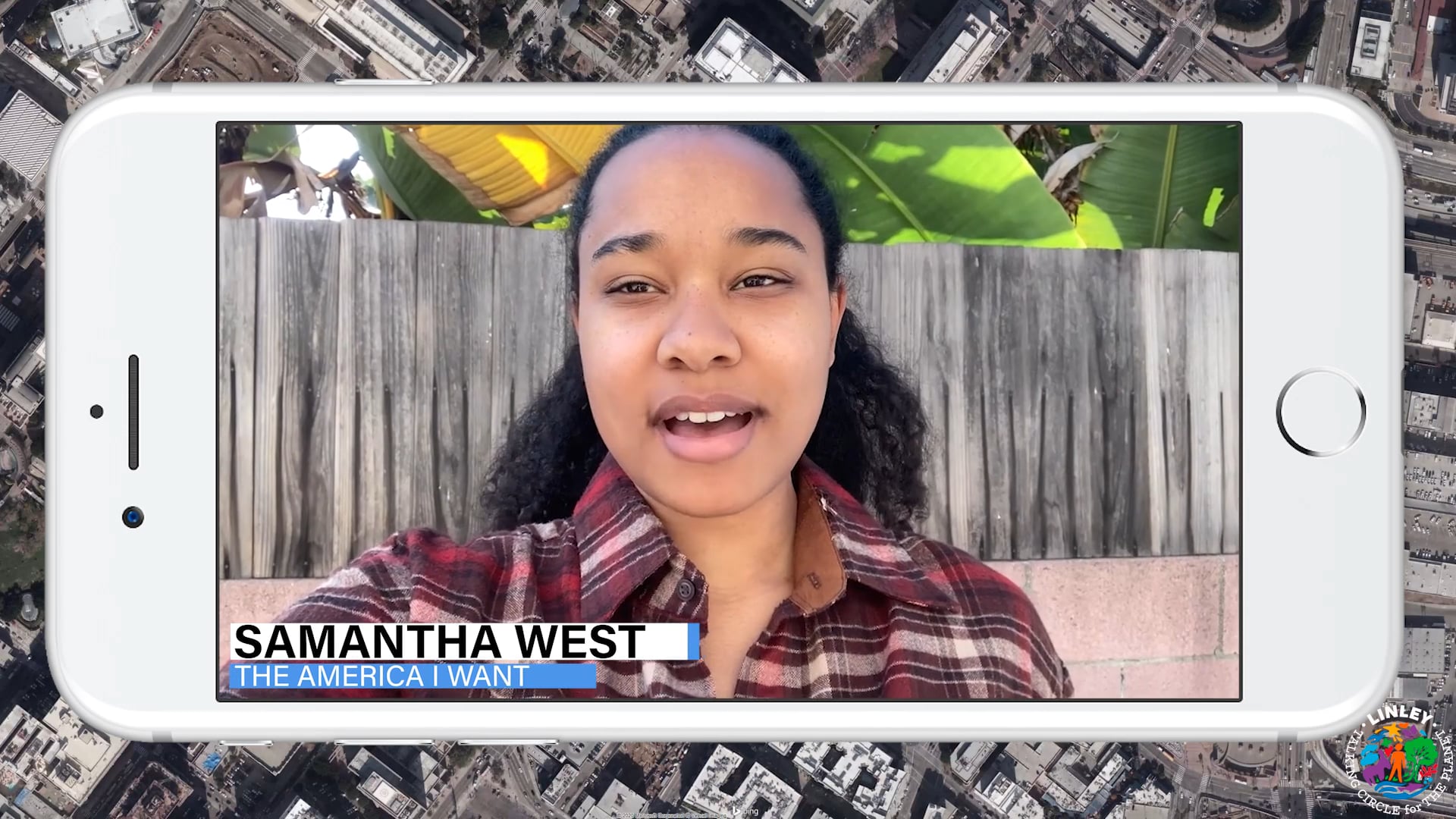
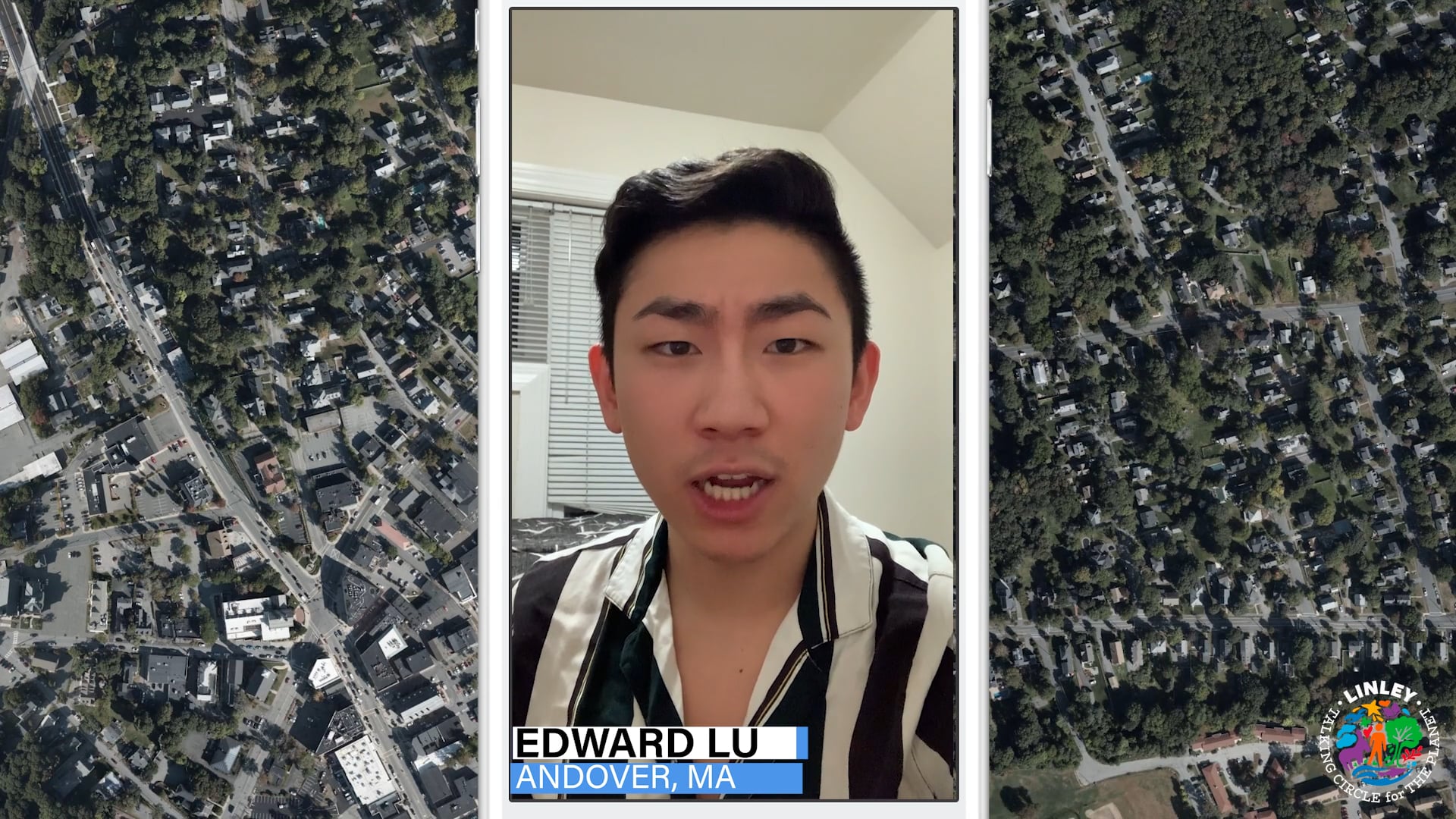
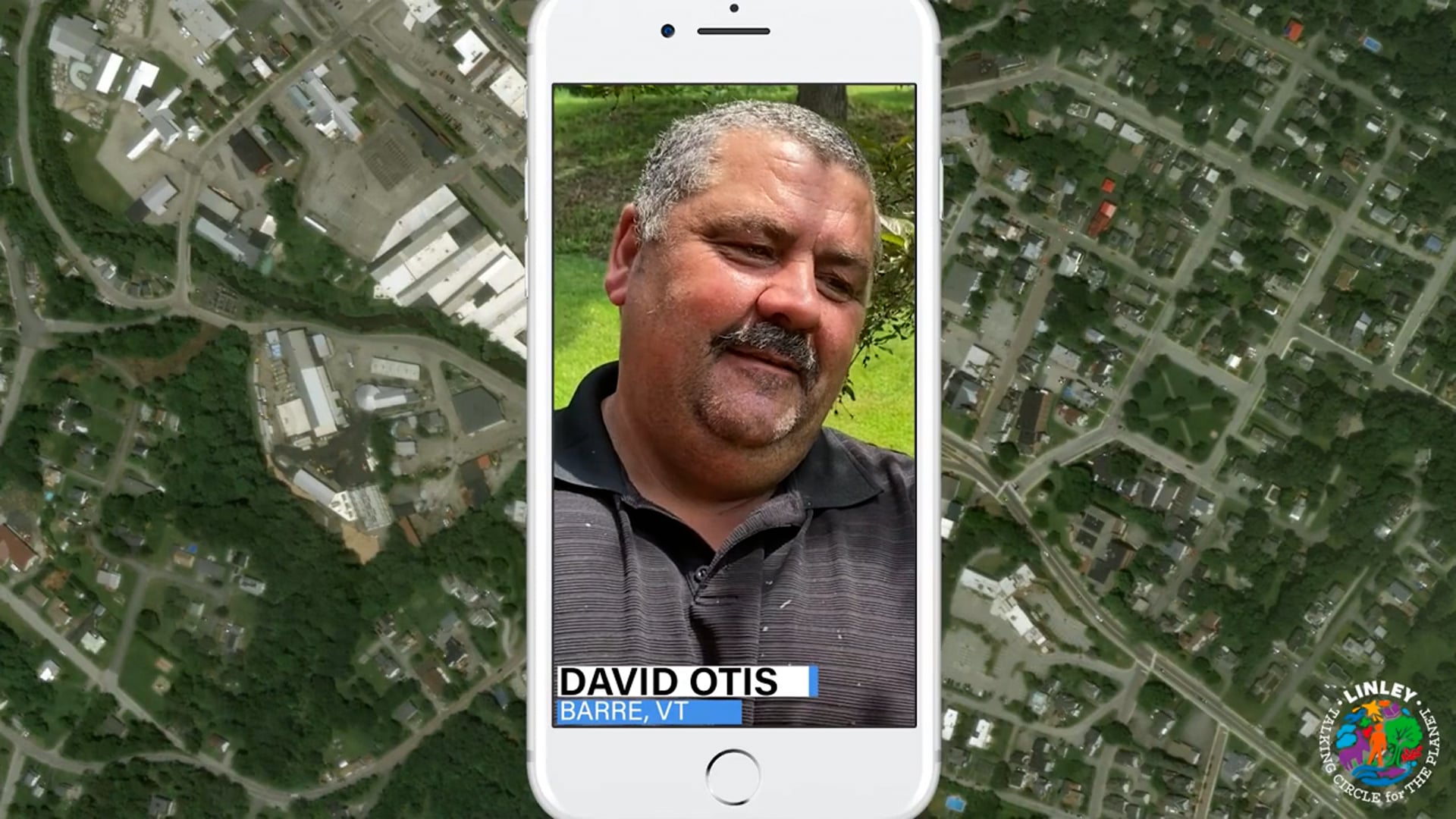
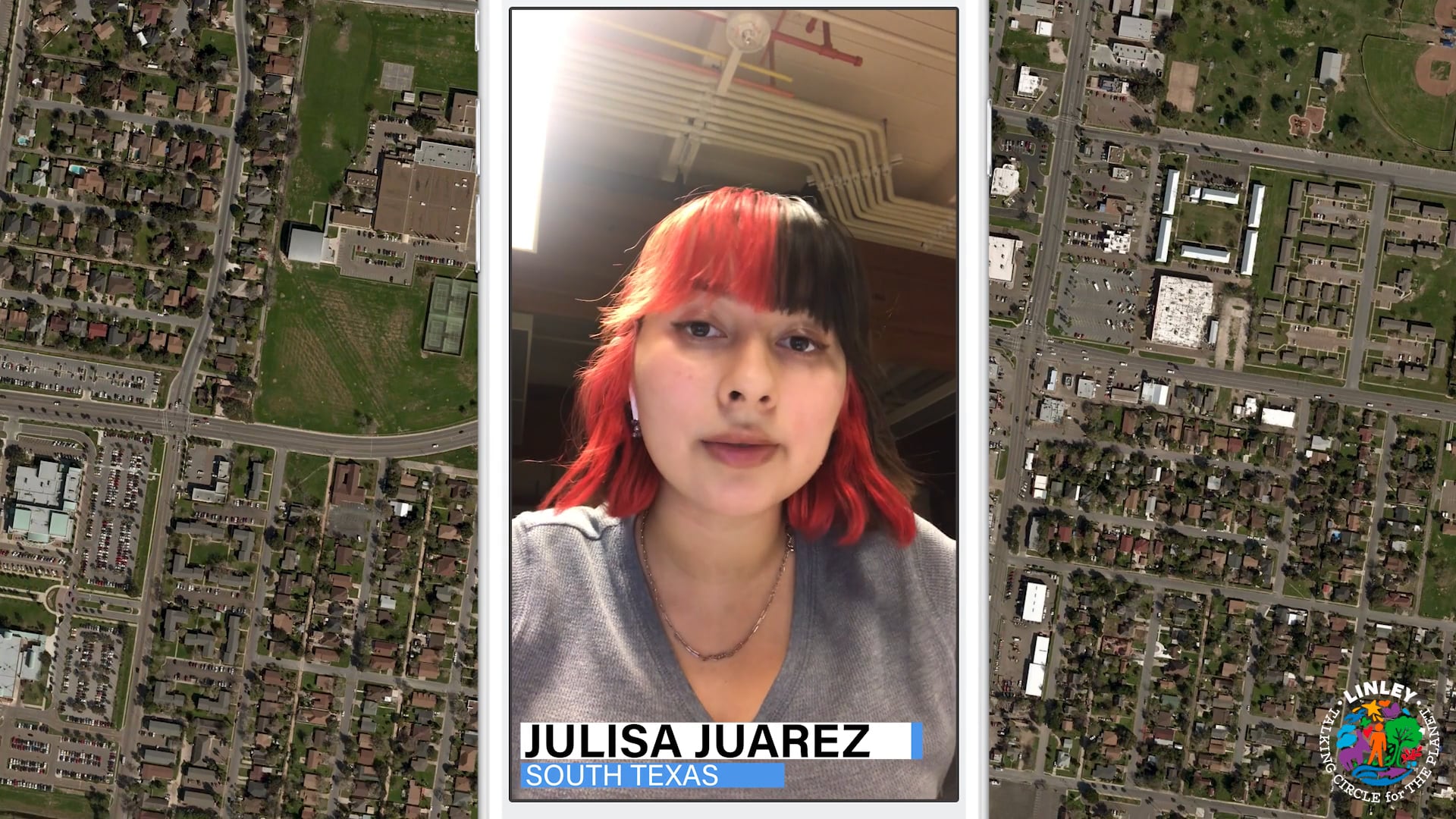
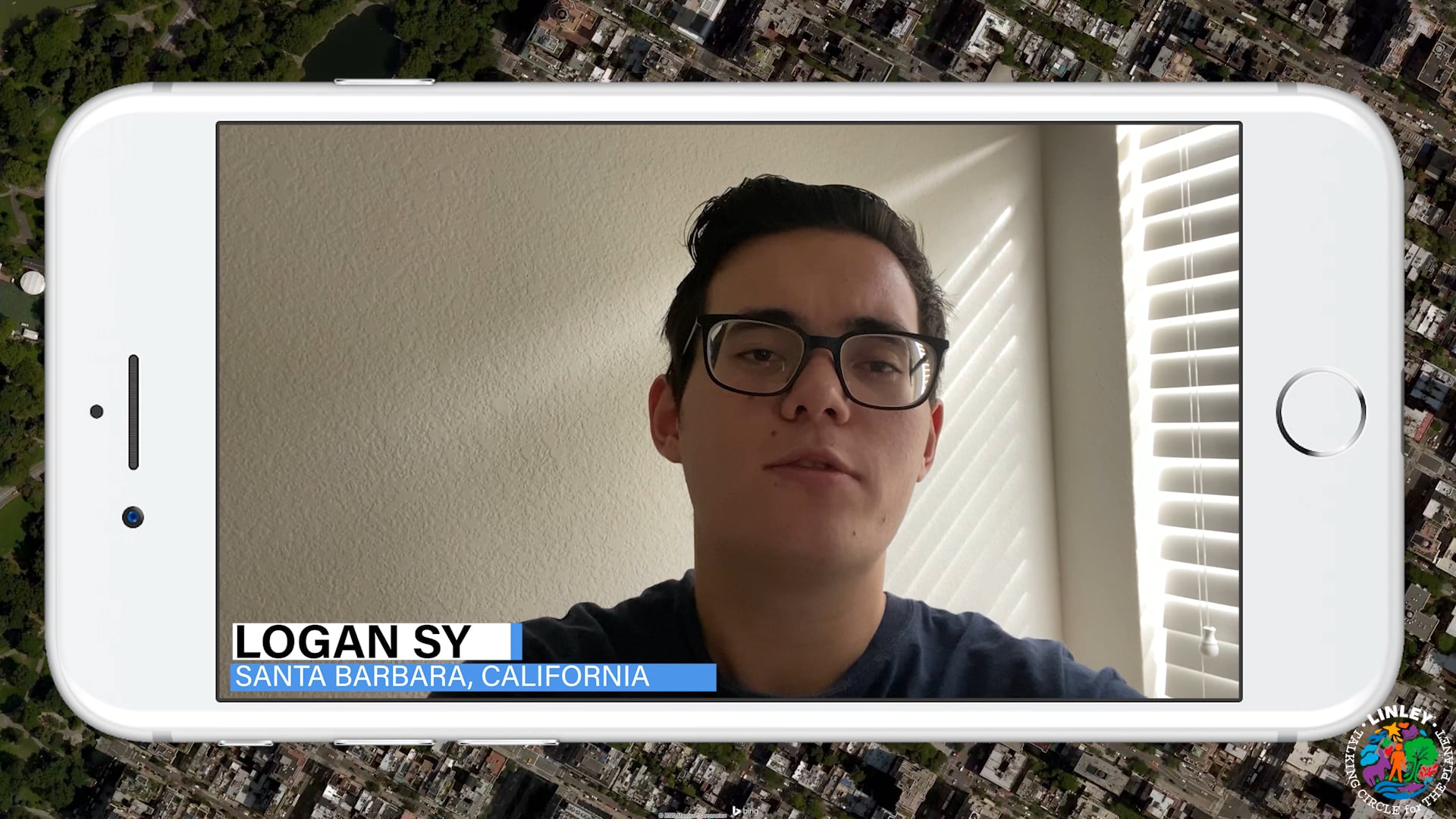
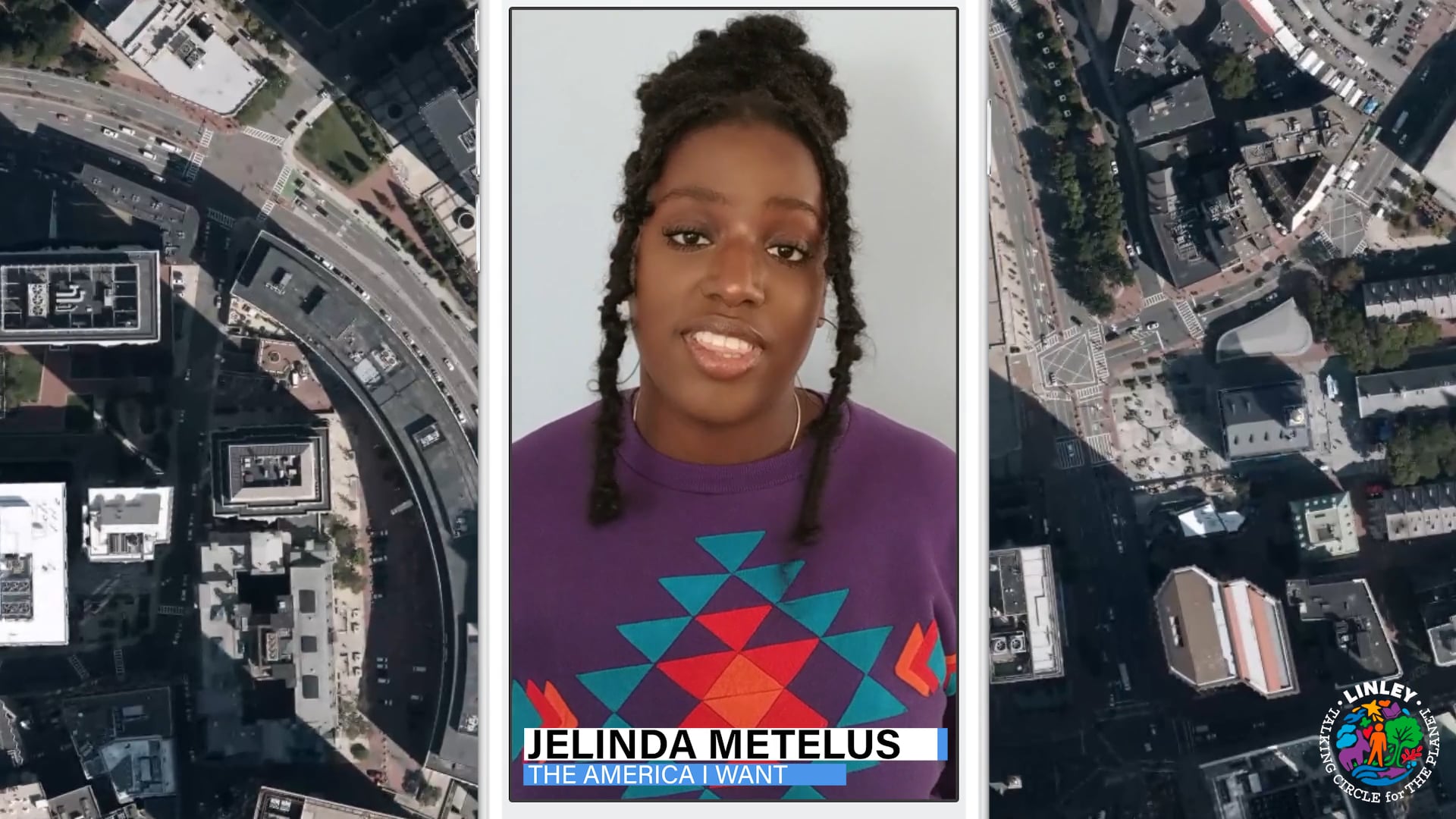
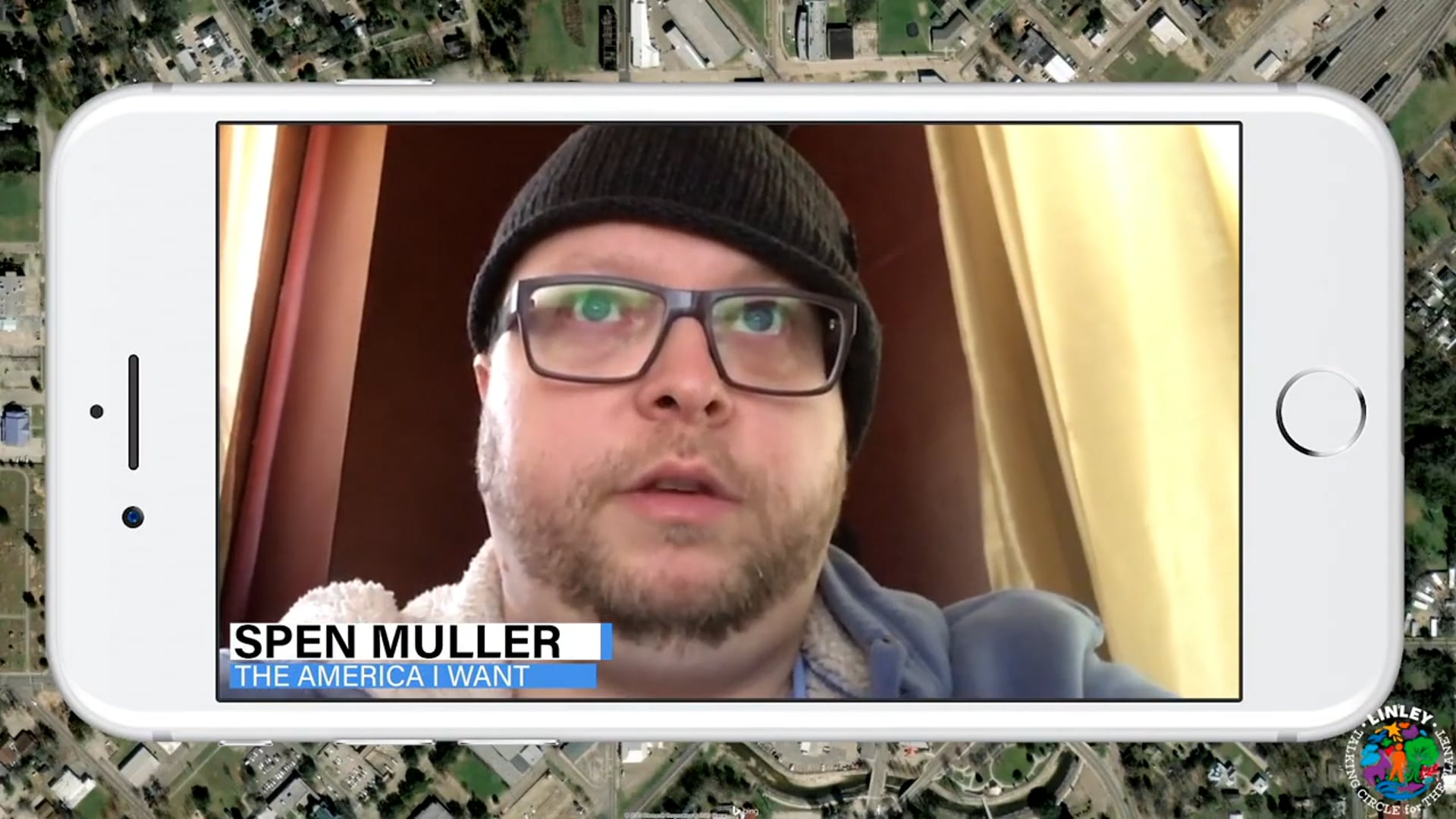
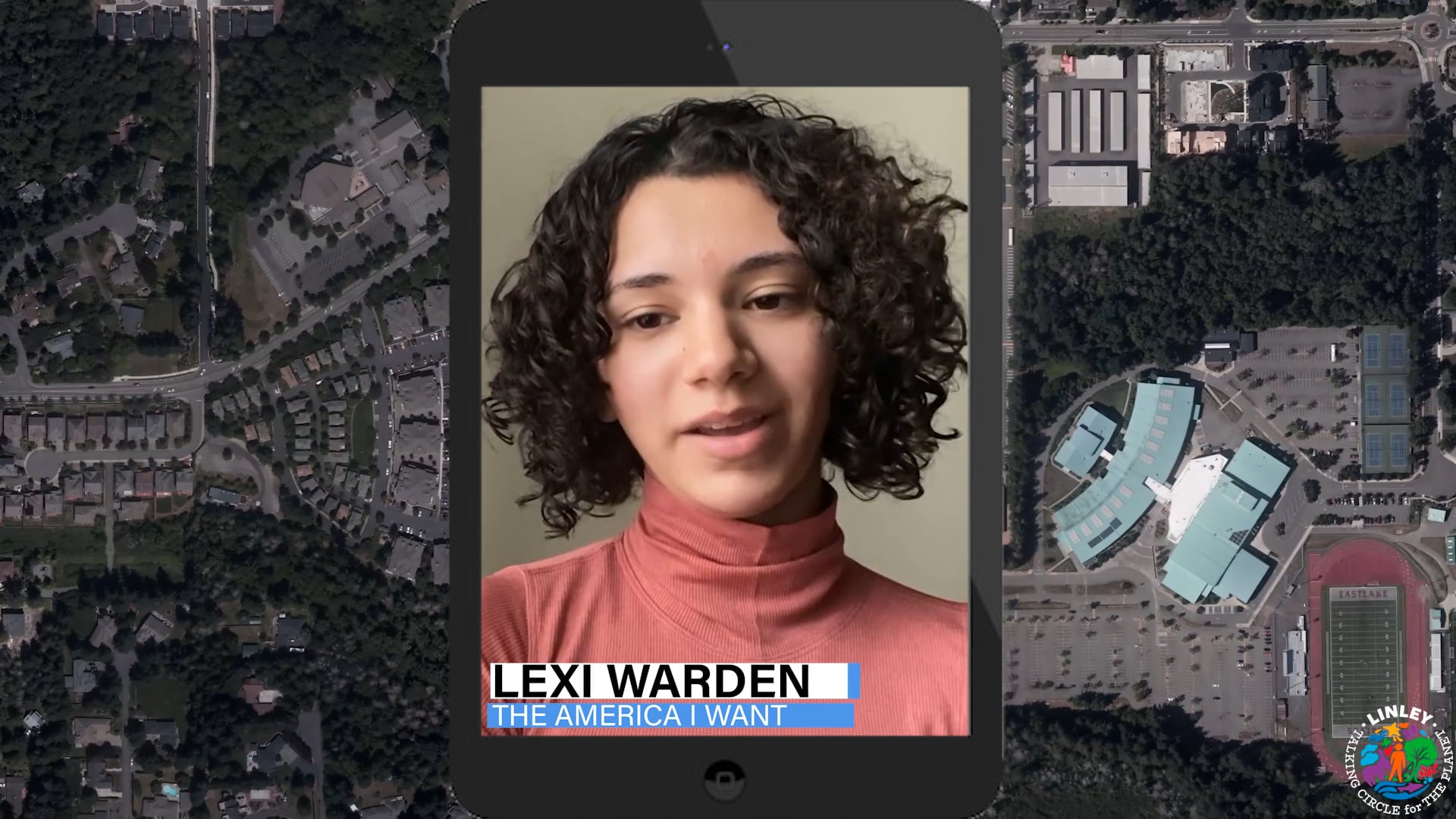
At the conclusion of each interview with peers and community members, students will invite participants to record a 30-second video beginning with the words “The America I Want Is…” Here are some examples.

Invest in Our Next Generation of Citizens and Leaders
Our initiative is the result of more than three years of development and testing, funded by Linley Foundation. Its launch has proven successful with teachers, students and community members alike. Your investment will allow us to scale this civics initiative—opening it to schools and communities across the country. Our immediate goal is to engage at least one school in every state, establishing a truly national presence before opening the initiative to schools nationwide. We have begun a national conversation led by students. By supporting this work, you are helping cultivate a generation that leaves school civically literate and practiced in participation—ready to engage in a democracy that depends on the voices of ordinary citizens.